WHAT IS
WALDORF?
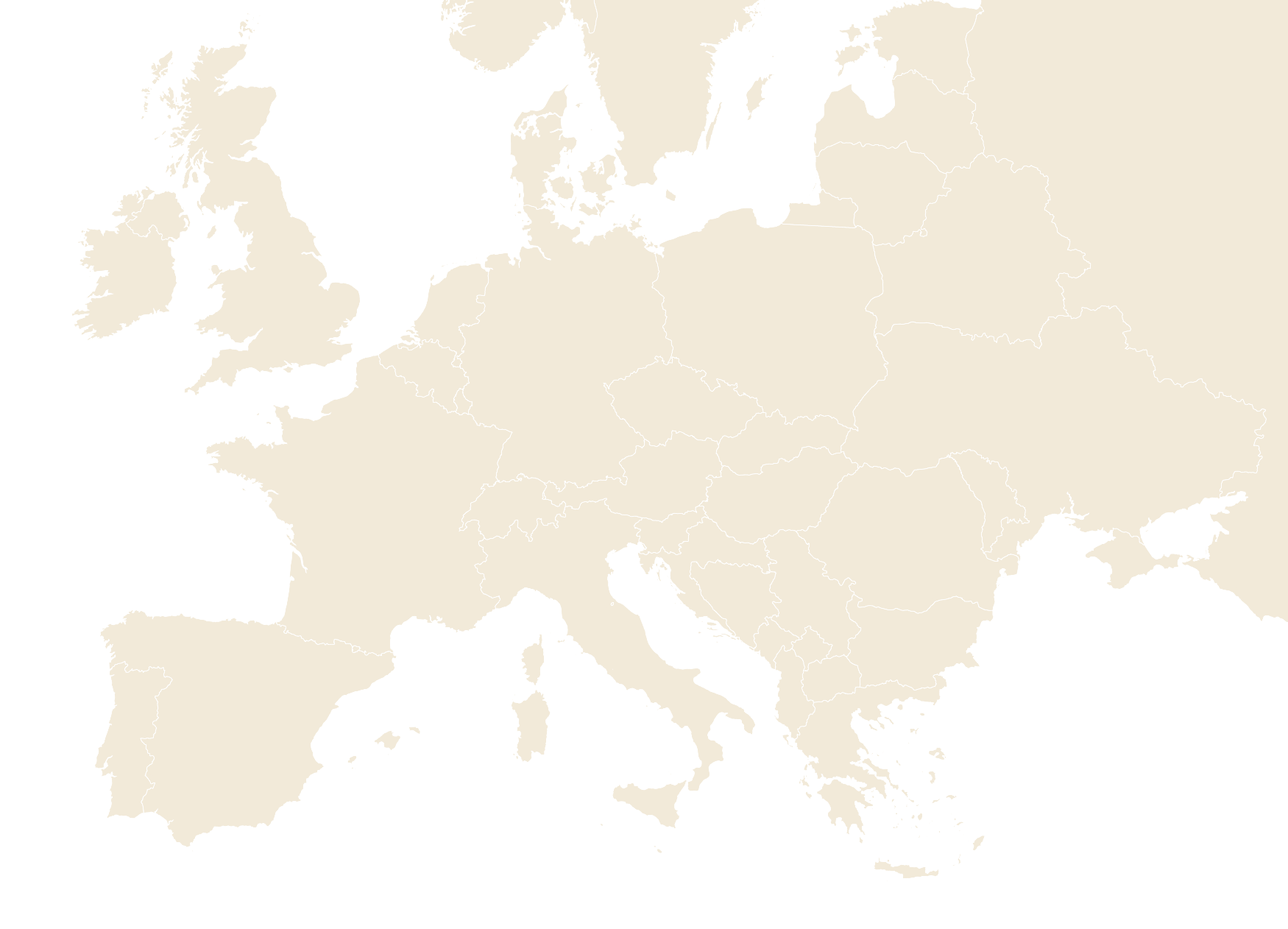
Founded in 1919 in Germany after the First World War, Waldorf schools were created to bring about a more equitable, peaceful world with a pedagogy designed to cultivate curiosity, compassion, and community.
Waldorf schools spread throughout Europe and then the world. There are now over 1,000 Waldorf schools on six continents in over 60 countries across the globe, each with a bespoke curriculum that reflects and celebrates the unique histories and practices of local culture.
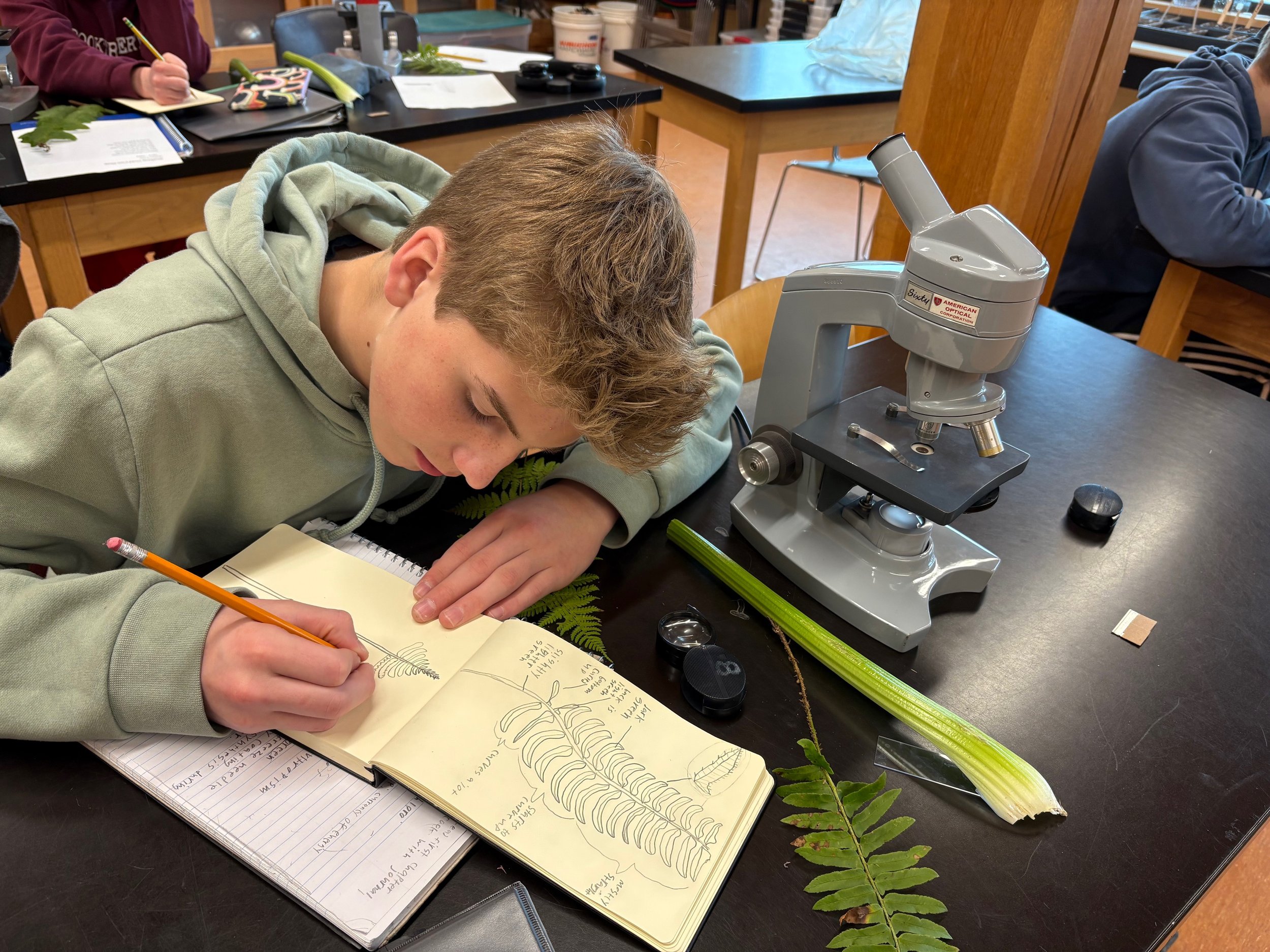
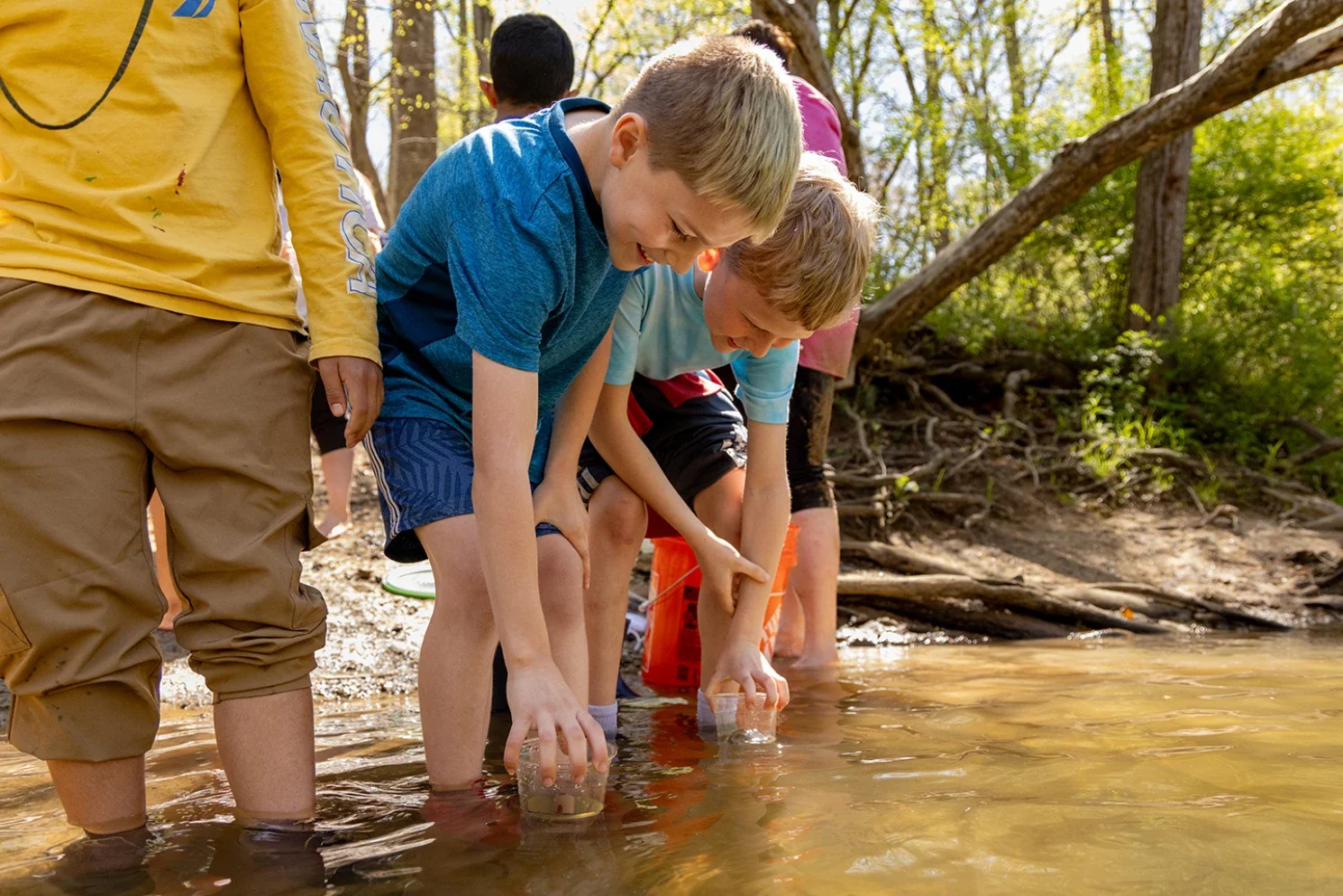
First-hand experiences
challenge students to confront their education head on – physically, creatively, and intellectually – in order to grow their understanding of the world, each other, and themselves.

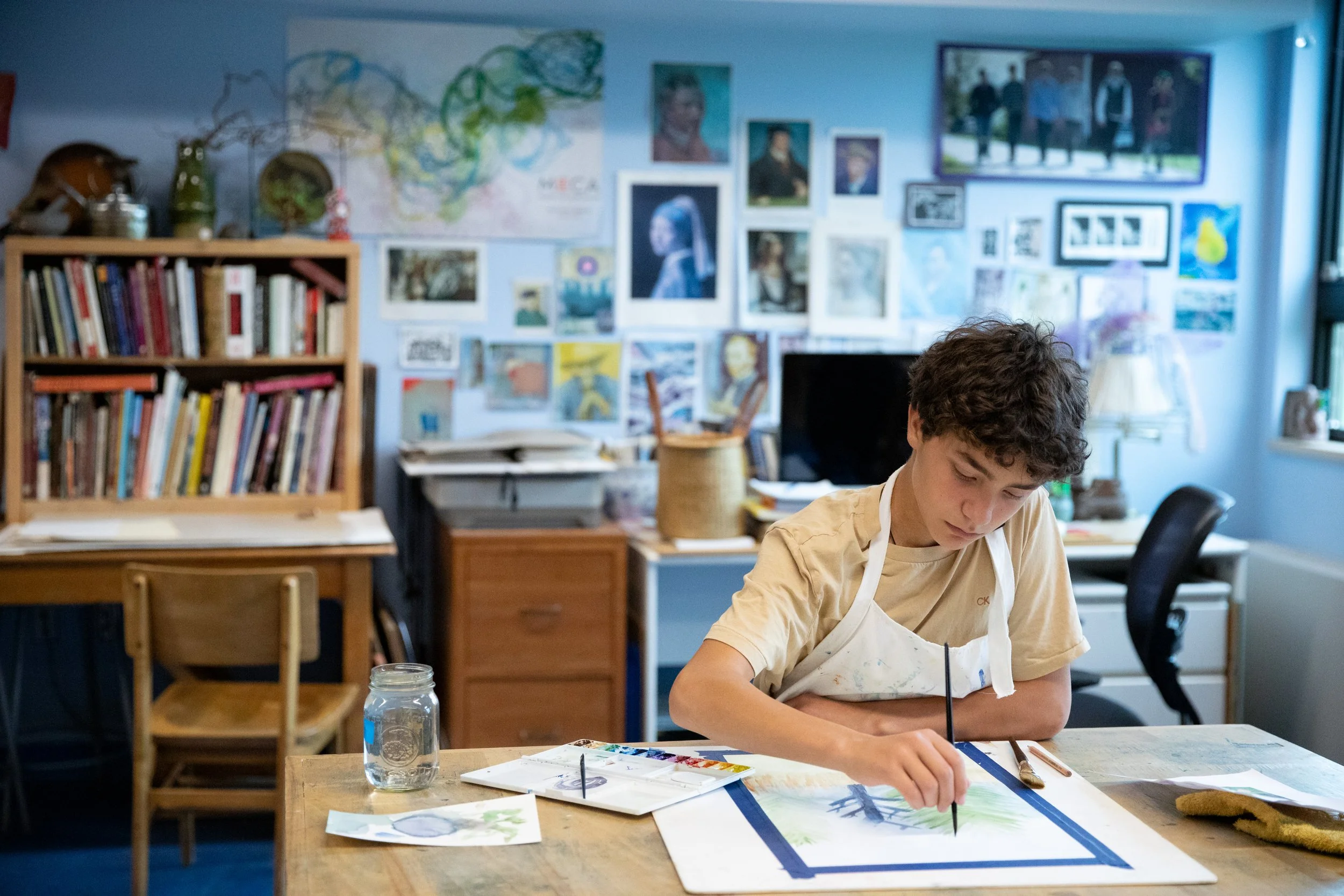
The arts are fully integrated
into all academic disciplines for students from preschool through high school in order to enhance and enrich each subject and offer students a variety of entry points into new or challenging material.
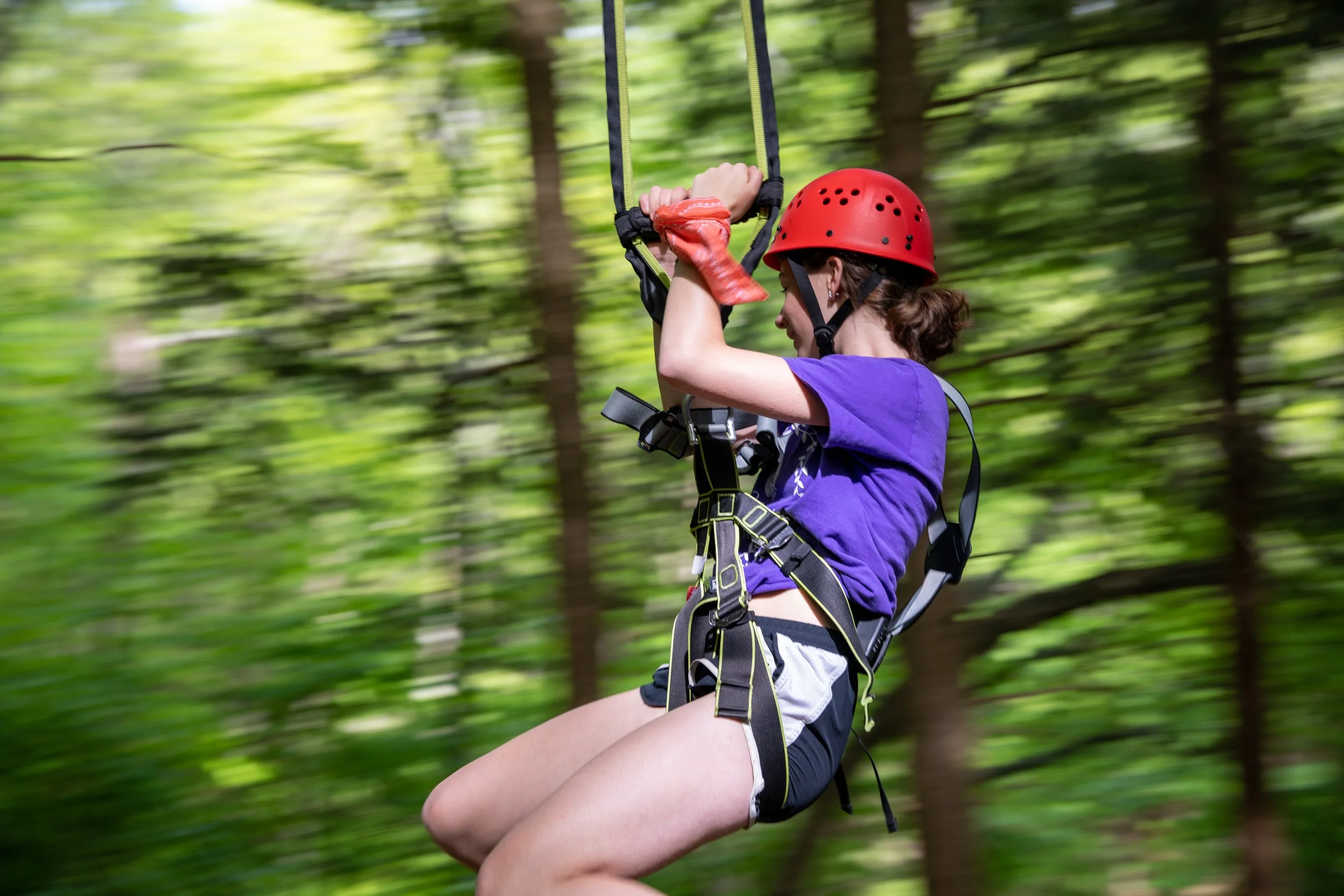

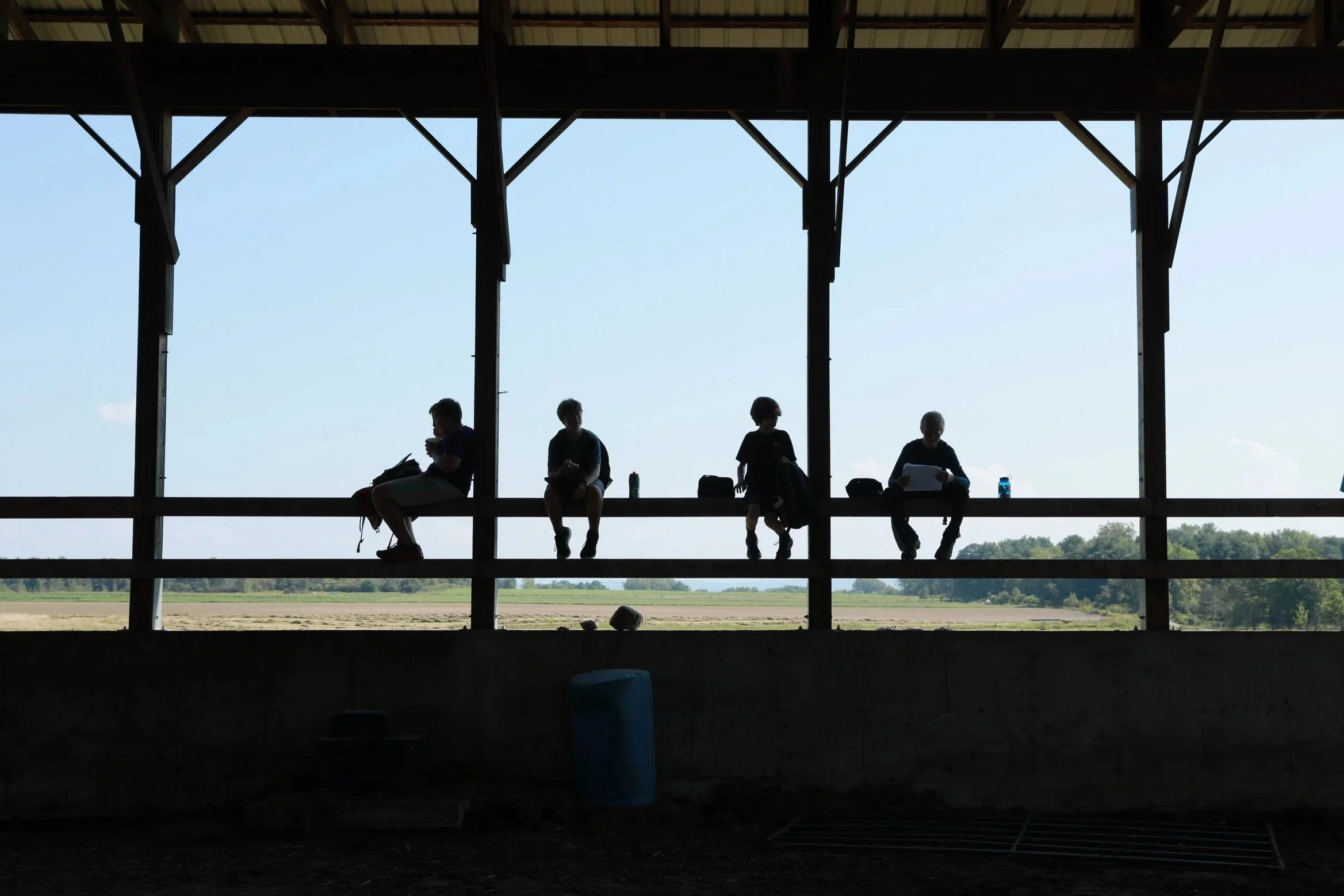
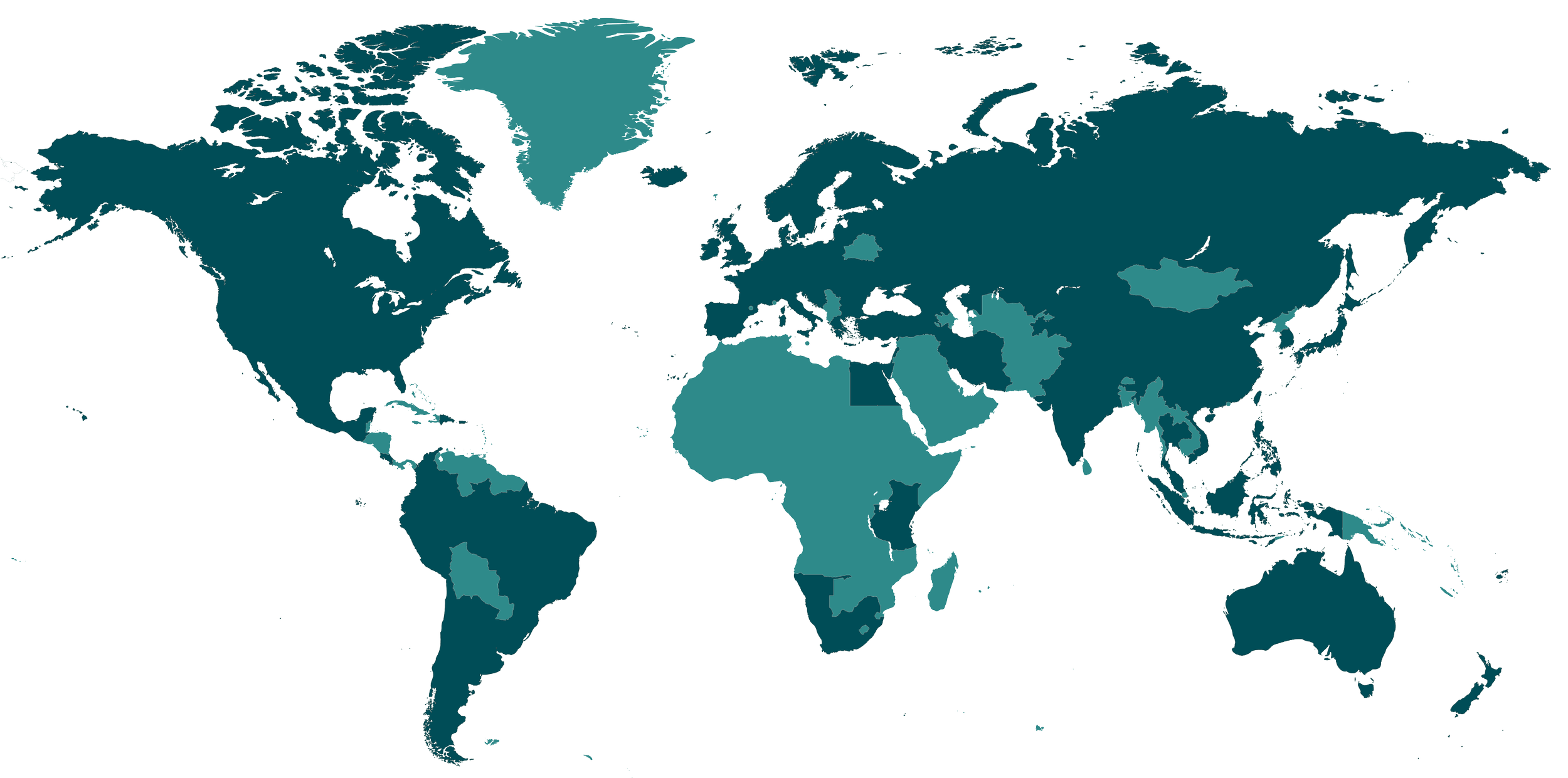
Outdoor education and travel
are essential parts of a Waldorf education, allowing students to explore nature, engage with different cultures, and grow their relationship to the world around them.
WHY WALDORF
WORKS
Don’t just take our word for it. More and more, research is showing the intellectual, emotional, and social benefits of experiential, outdoor learning; limited, intentional tech usage; and hands-on education.
-
![Colorful workspace with notes, stationery, paper clips, paper, and a person's hand writing with a red marker on a yellow notepad.]()
Why Writing by Hand Beats Typing
Edutopia
-
![Young boy lying on bed, looking at a glowing screen with colorful lights, resting his face on his hands in a dark room.]()
What Does Too Much Screen Time Do to Children's Brains?
NewYork-Presbyterian Hospital
-
![]()
Outdoor Learning: The Ultimate Student Engagement Hack?
Education Week
-
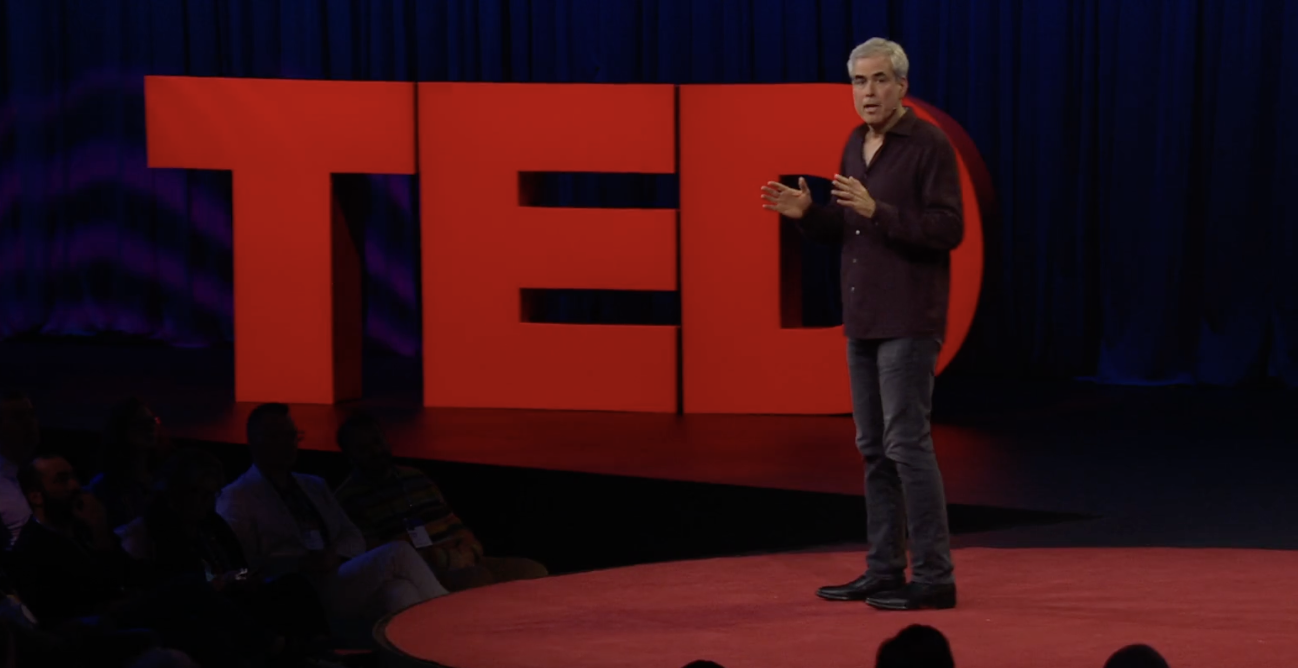
![Male speaker on stage at a TED Talk event, standing in front of a large red TED logo with an audience watching.]()
Why You Should Be a Techno-Skeptic
Jonathan Haidt
-
![A group of children standing at a stone wall, pointing at a tree with white blossoms in front of a historic building.]()
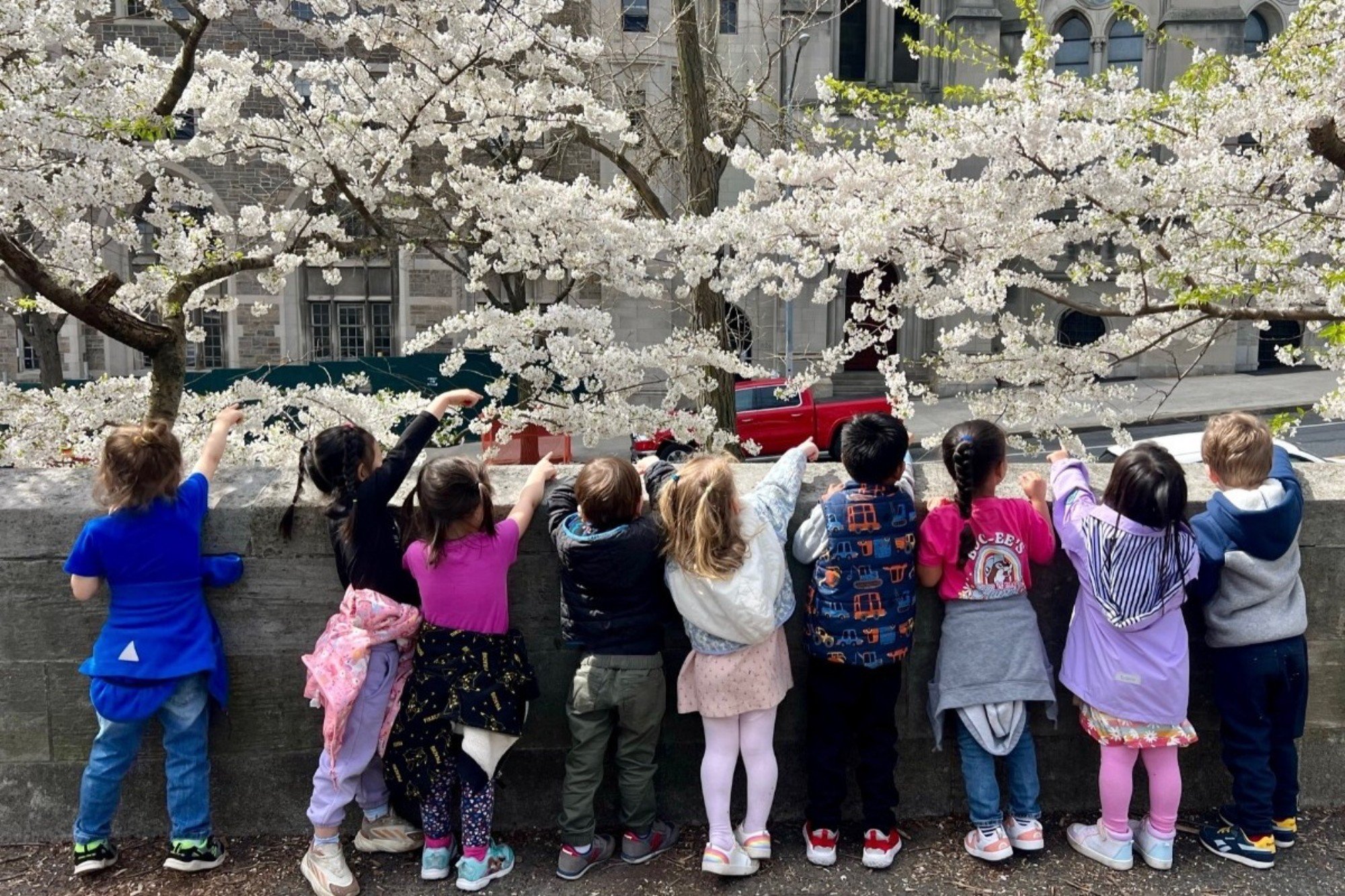
Why Outdoor, Experiential Learning is Key for Young Learners
Columbia University Teachers College
-
![Children in school uniforms running outdoors, smiling and playing in a sunny garden with greenery in the background.]()
The Importance of Recess
Edutopia
-
![People gathered around a beekeeper examining a honeycomb frame with bees, in an outdoor setting with green foliage.]()
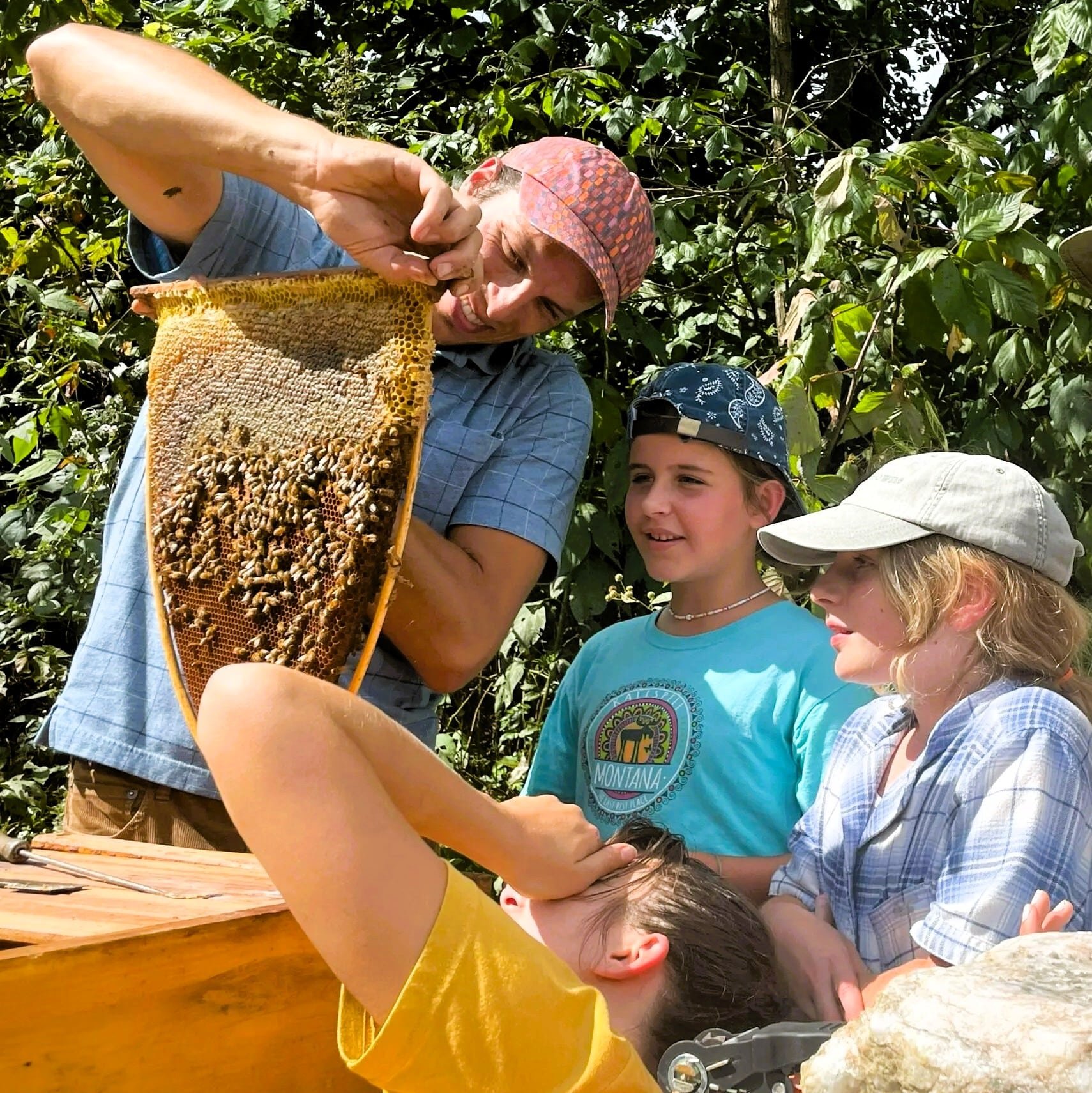
Experiential Education: Students learn best by doing
AWSNA
-
![A view of a neoclassical building with large columns, nearby brick buildings, and leafless trees against a clear blue sky.]()
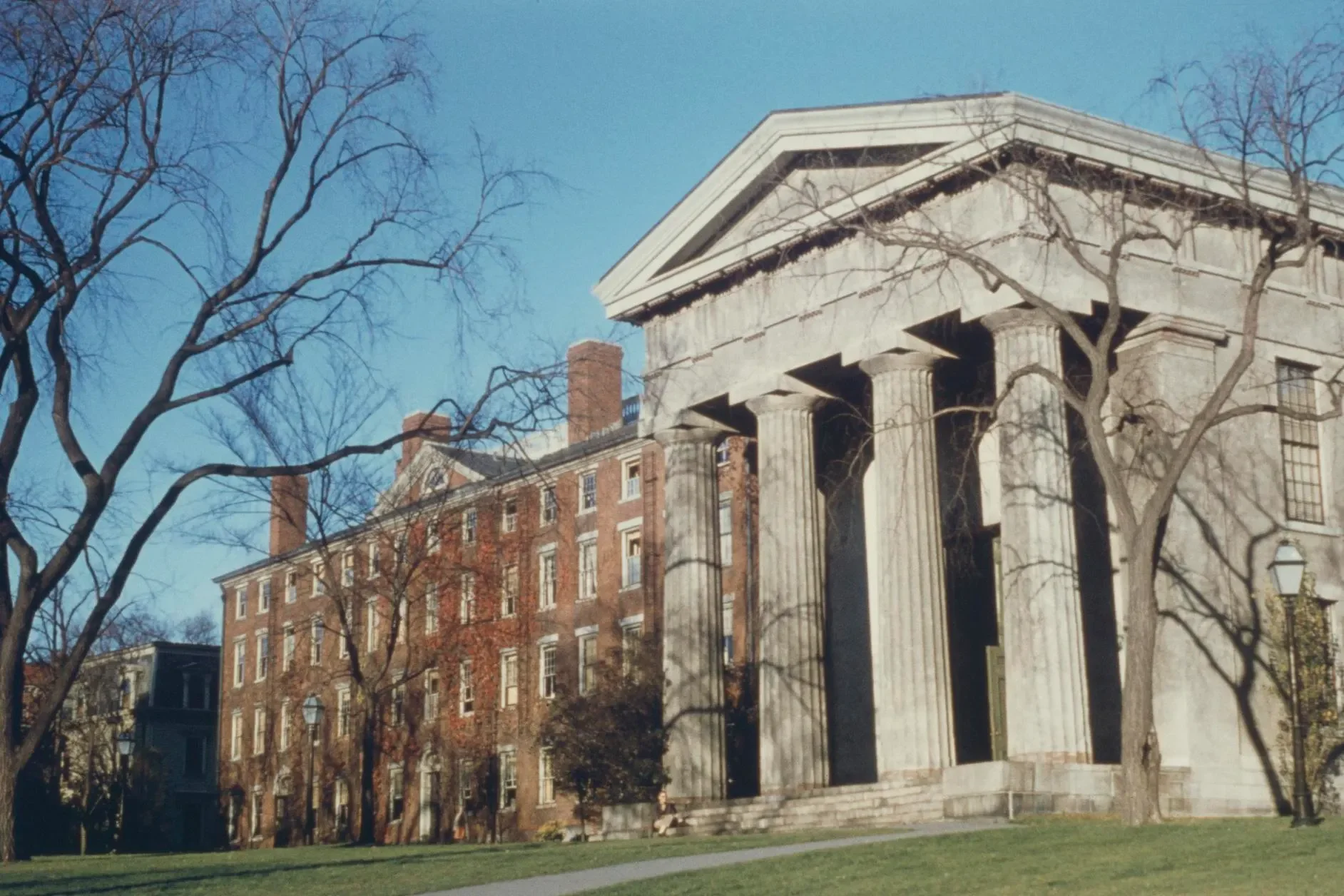
So Your High School Doesn’t Offer APs—Are AP Exams Still Important For College Admissions?
Forbes



-
LCWS implements a structured literacy approach to all aspects of our language arts curriculum. From kindergarten to second grade, we follow the Orton-Gillingham approach—a structured, multisensory, and phonetic method designed to teach reading, writing, and spelling. The middle grades focus on fluency, reading comprehension, writing, and more. The Writing Revolution curriculum, which is also an evidence-based method, guides our writing instruction as students move from simple sentences in first grade, to paragraphs in third and fourth, and to a multi-paragraph essay in middle school. Research skills begin to be taught in fourth grade and continue to be developed throughout middle school. We seek to bring meaning to every aspect of our program. As such, our literacy skills are brought in connection with developmentally aligned stories and content, so that the skill itself has context for the learner. With this approach, we hope to develop in our students a deep understanding of the material they are learning.
-
We believe technology has a place in education beginning in middle school. We teach Cyber Civics beginning in fifth grade, a year before we introduce computers in the classroom. Our research-based curriculum teaches digital citizenship and media and information literacy. Our high school students use technology for research and reference. Our students quickly master computer technology, and graduates have gone on to have successful careers in the information industry.
-
We are proud that 100% of our high school graduates who apply to 4-year colleges are accepted, and 90% attend within one year of graduating. Colleges love our graduates because they are critical and independent thinkers and emotionally intelligent listeners, and have the ability to tackle new challenges.
Our students have been accepted to and have graduated from Bates College, Bennington College, Brown University, Middlebury College, Mount Holyoke College, New York University, Oberlin College, Rhode Island School of Design (RISD), Rochester Institute of Technology, Skidmore College, Smith College, Vassar College, and many other selective colleges and universities. Waldorf graduates reflect a wide diversity of professions and occupations including medicine, law, science, engineering, computer technology, the arts, social science, government, and education.
-
In our grade school, teachers move up through the grades with their students each year. A long-term relationship means our teachers connect with students and their families on a deep level that opens the door to profound learning. This loving connection and long-term observation enables our teachers to educate the whole child. We see students flourish because of this reliable, attentive structure. Parents also develop a meaningful relationship with their child’s teacher and often gain support in parenting.
-
Students who transfer to a Waldorf school are usually at the same level in reading, math, and basic academic skills. Students coming from another school may not have had a foreign language since first grade or may not have started string instruments in third grade. Our teachers are trained to support new students through this transition as they learn these new skills.
-
Our education is a deep dive into the liberal arts. By creating their own Main Lesson books, our students are empowered to reinforce all that they have learned through individual expression. The effort students pour into these books develops their will and reinforces their knowledge. Our students often take their Main Lesson books to college with them as references.
-
The courses we offer at LCWS are rigorous, honors-level courses designed to prepare students for college and beyond.
Advanced Placement (AP) courses are a product sold by the College Board, a private non-profit organization. As a recent Forbes article states, "if students did not have AP classes available to them at their schools, [college] admissions officers will not expect to see AP courses or AP exam scores included in their applications. As such, these students’ applications will not be disadvantaged in any way by not including AP exams."
-
We are not a religious school. In our community, we have families from many religions, and we honor each family’s values, beliefs, and traditions. Studying different cultures in an experiential curriculum, students learn about many religions, and deeply understand each system of beliefs. Our graduates see commonalities as they study world religions.
Frequently
Asked
Questions